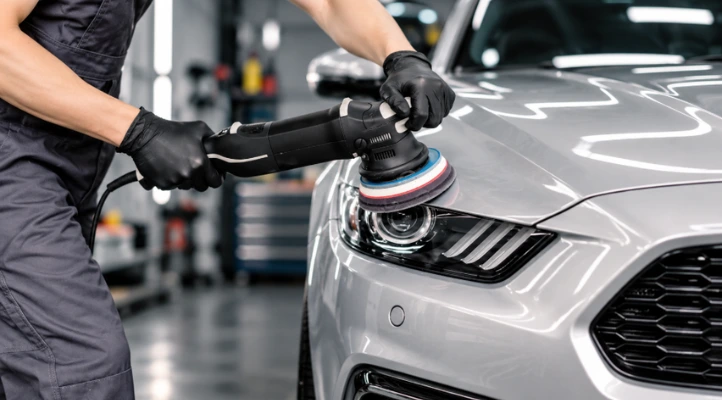
Choosing pads, compounds and polishes that actually work together means treating them as one paint correction system, with each product selected according to the level of cut, paint condition and finish required. For workshops and professional detailers, this approach creates more consistent results, reduces product guesswork and makes it easier to standardise correction work across technicians and bays.
Auto Shield Group supplies buffing pads, polishing compounds and finishing products to trade workshops and detailers across Western Australia. One of the most common issues we see is not poor product quality, but mismatched products being used together.
Pad density, compound cut level and polish chemistry all affect the final result.
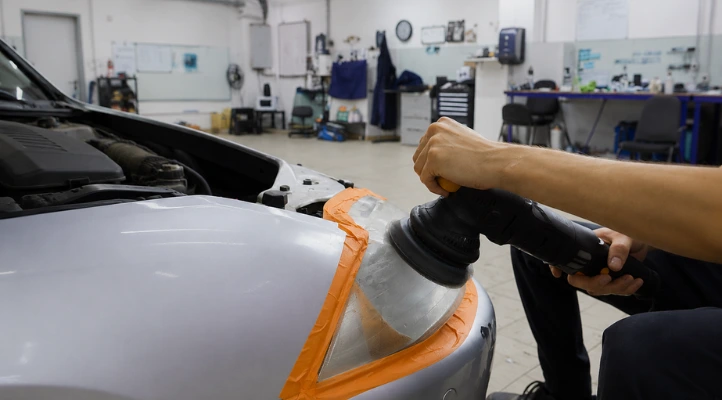
A wool cutting pad paired with an aggressive compound can remove defects quickly, but may leave behind marring that requires a separate finishing stage. A soft foam finishing pad used with the same compound may not provide enough correction to achieve the desired result.
The issue is not that either product is unsuitable. It’s that the products need to be selected as part of a defined correction process.
For a professional operation, a standardised system might include:
This gives technicians a repeatable process instead of requiring them to experiment with different combinations on every vehicle.
The right level of correction depends on the condition of the paint, the type of defect and the amount of clear coat available.
Clear coat thickness varies between vehicles and becomes progressively thinner with repeated correction work. Using the most aggressive compound as a default can therefore create unnecessary risk, particularly when working on fleet and dealership vehicles with an unknown correction history.
A professional detailing or workshop operation should have enough product variation to step through different levels of correction rather than relying on one heavy-cut combination.
Stocking light, medium and heavy compounds alongside suitable pad densities gives technicians more control over the correction process and helps minimise unnecessary paint removal.
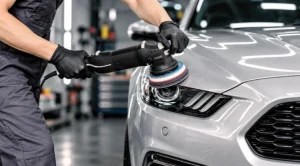
Pad selection also influences heat generation during machine polishing. The wrong combination of pad, compound, machine speed and pressure can increase heat and contribute to additional marring, particularly on darker paintwork.
This makes pad selection part of the broader correction process rather than a simple choice between foam and wool.
Our guide to managing pad heat during paint correction covers the factors that affect heat generation and how better process control can improve correction efficiency.
For businesses, having standard machine settings and approved pad and compound combinations can make these results more repeatable between technicians.
Paint correction and protection serve different purposes, so they should be treated as sequential stages.
Ceramic coatings and other paint protection products need a properly prepared surface. If defects, haze or marring remain after correction, they can become more noticeable once the protective coating is applied.
This is why pad and compound selection matters even when the final service being sold is ceramic protection.
Our guide to ceramic protection and long-term paint preservation explains what needs to happen before coating application and why proper surface preparation is essential.
Paint correction is also a workplace safety consideration. Rotary and dual-action polishers are hand-held vibrating tools, and technicians using them for extended periods may be exposed to hand-arm vibration.
Safe Work Australia’s guidance on hand-arm vibration identifies hand-held power tools as potential sources of harmful vibration exposure. For detailing teams using polishers for much of the working day, controls can include task rotation, appropriate equipment selection and documented work practices.
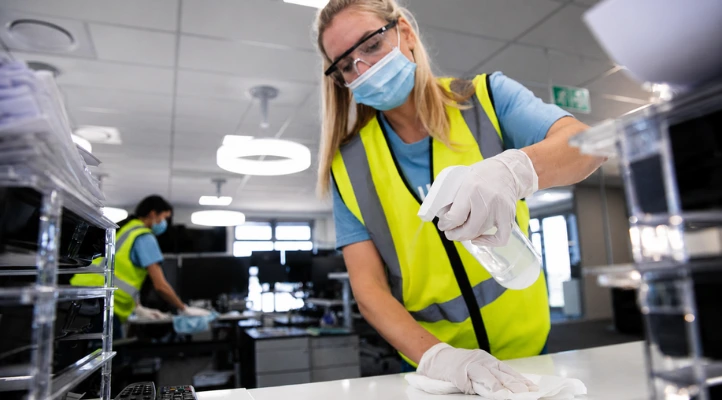
This should sit alongside the broader PPE program used to manage exposure to detailing chemicals and other workplace hazards.
For multi-bay workshops, dealerships and detailing businesses, consistency is just as important as product performance.
Instead of allowing each technician to develop their own combination of pads and compounds, businesses can establish approved product combinations for common correction requirements.
For example:
| Correction stage | Typical pad | Product |
| Heavy correction | Wool or firm cutting foam | Heavy-cut compound |
| General correction | Medium-density foam | Medium-cut compound |
| Refinement | Soft foam | Finishing polish |
| Final finish | Ultra-soft foam | Fine finishing product |
The exact combination should depend on the vehicle, paint system, defect and machine being used. The value of standardisation is that technicians have a defined starting point and can adjust the process when required.
This also simplifies purchasing and stock control. Rather than managing separate, unrelated product lists, the business can maintain a correction system with compatible pads, compounds and finishing products.
Our approach to eliminating water spot marring on dark paintwork is another example of why correction, washing and protection need to work together as part of one paint care process.
A correction kit should be managed as a complete system. If a workshop stocks an aggressive compound but not the appropriate cutting pads, or carries finishing pads without a suitable polish, technicians are forced to substitute products and results become less predictable.
A practical stock program should therefore consider:
This approach makes inventory management easier while helping ensure technicians have compatible products available for the jobs they perform most often.
The right supplier should provide more than individual polishing products. For workshops and professional detailers, the value comes from having access to compatible pads, compounds, polishes and other detailing supplies through a consistent trade supply chain.
Auto Shield Group stocks a full range of buffing pads, polish and compound products for trade use, supported by established detailing brands and product knowledge developed through real workshop conditions.
If you’re rebuilding your paint correction kit, standardising products across technicians or reviewing your current detailing supplies, contact our team for trade pricing and product recommendations suited to your operation.