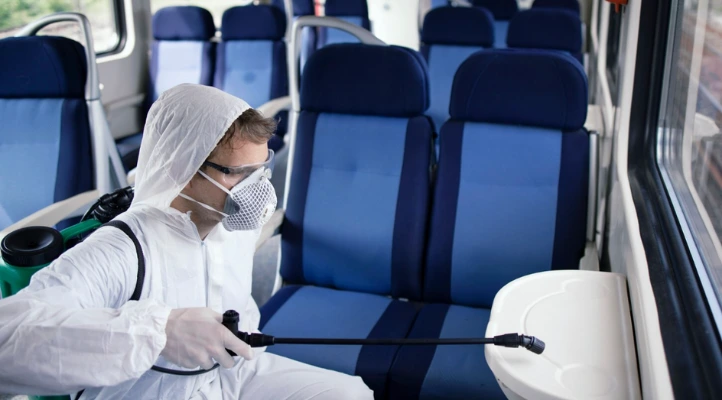
Interior odour removal for rental and fleet vehicles should help get vehicles back into service quickly, not simply cover an unpleasant smell with fragrance. For rental operators, dealerships, used-car teams and fleet managers, the better approach is to find the source, clean the affected area and use an appropriate odour neutraliser as part of a repeatable vehicle turnaround process.
Smoke, food, pets, spills, sweat and stale cabin odours can all create extra work between drivers. Across a larger fleet, repeat treatments add labour and keep vehicles unavailable for longer.
Auto Shield supplies professional vehicle cleaning products from Malaga in Western Australia for dealerships, workshops, rental and fleet operators, transport businesses and other trade customers across Perth, regional WA and interstate.
A strong fragrance can change how a cabin smells when the vehicle leaves the cleaning bay. If the contamination remains, however, the odour can return.
Start with the obvious problem areas:
If there is visible contamination, clean it before treating the remaining odour.
Vehicle Odour Check
For a rental or dealership operation processing vehicles every day, this avoids wasting product on a problem that cleaning should have addressed first.
Interior cleaner and odour neutraliser have different jobs.
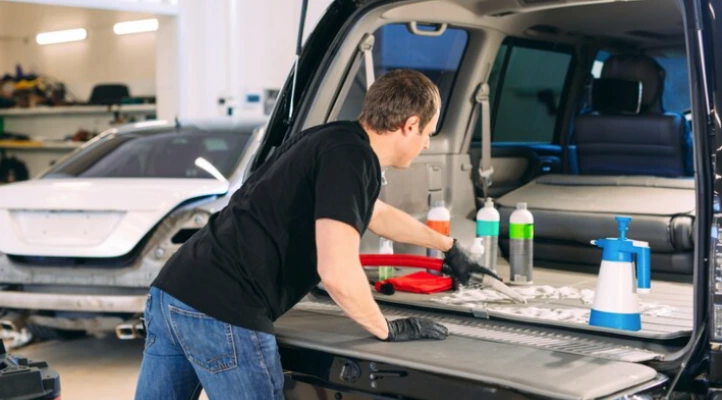
Auto Shield’s All Purpose Interior Cleaner is designed for dirt, grease and scuff marks across suitable hard and soft interior surfaces. For buyers, having a dedicated interior cleaner before moving to odour treatment creates a clearer process for staff.
1. Inspect the cabin and identify the likely source.
2. Clean contaminated surfaces with the appropriate product.
3. Treat any remaining odour according to product directions.
4. Check the cabin before returning the vehicle to service.
The benefit is consistency. Different detailers or branches can follow the same process instead of deciding how to treat each vehicle from scratch.
Retail air fresheners and trade odour treatments do not necessarily solve the same problem.
If the objective is fragrance, an air freshener may be enough. Persistent smoke, food, pet or stale cabin odours call for a product intended to neutralise unpleasant smells after the underlying contamination has been addressed.
Auto Shield’s Refresh Odour Eliminator and Neutraliser is designed for applications including used cars, service cars and loan cars. It can be used for targeted treatment or suitable fogging applications depending on the job.
For commercial buyers, look beyond fragrance and compare:
The best product for a fleet is one that fits the turnaround process your team can repeat consistently.
Not every odour requires the same process.
A spilled drink on one section of carpet may need targeted cleaning and treatment. A widespread cabin smell may require a broader approach.
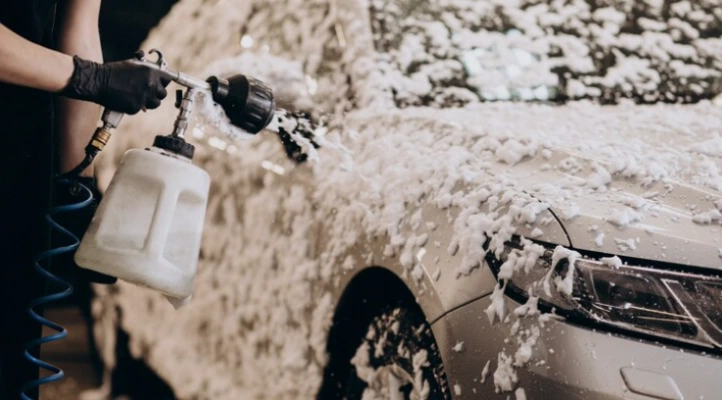
Where the product directions allow fogging, it can provide a practical option when the odour is not confined to one obvious spot. Follow the recommended application, treatment and ventilation instructions rather than assuming more product or longer treatment will deliver a better result.
For rental businesses and dealerships, the operational question is: How can we return this vehicle to an acceptable standard without creating unnecessary repeat work?
That keeps product selection tied to vehicle availability rather than simply choosing the strongest-smelling treatment.
Container price tells only part of the story.
A lower-priced product can cost more overall if detailers use larger quantities or have to repeat the treatment.
For a business processing multiple vehicles, compare:
How much cleaner and odour treatment does each vehicle use?
How long does the cleaning and treatment process keep the vehicle unavailable?
How much hands-on time does the detailer need?
How often does an odour return and send the vehicle through preparation again?
Can a concentrated trade product be adjusted according to the application?
This gives rental, dealership and fleet purchasing teams a much more useful measure than price per litre alone.
When every detailer, branch or department buys its own cleaning products, the range can quickly become difficult to manage.
A simpler approved setup might include:
Auto Shield’s professional detailing accessories can be combined with vehicle cleaning chemicals to give teams a more consistent setup for repeat vehicle preparation.
For dealerships with used, demonstrator, service and loan vehicles, or rental and fleet operators processing higher volumes, standardisation can make staff training, stock checks and reordering easier.
Vehicle cabins and detailing bays are enclosed spaces, so chemical use and ventilation should form part of the turnaround process.
Follow product labels, SDS information and equipment instructions, including dilution, PPE and ventilation requirements. Safe Work Australia also requires businesses to manage risks from airborne contaminants in workplaces. Its guidance on airborne contaminants and workplace exposure provides further information for Australian businesses.
If ozone equipment is used, it needs its own controlled process rather than being treated like an ordinary cleaning spray.
For a fleet manager, the practical benefit of documenting the process is consistency. Staff know how the treatment is performed and when a vehicle is ready to return to service.
A good vehicle odour process should make turnaround easier, not add another complicated step.
Find the source first. Clean the contamination. Use the appropriate neutraliser for remaining odours, then standardise the products and process across your vehicles.
Auto Shield Group is a Western Australian manufacturer, importer and distributor supplying automotive cleaning and detailing consumables to workshops, dealerships, rental and fleet operators, transport businesses and other trade customers.
If you are looking to reduce repeat cleaning, standardise interior preparation or consolidate your vehicle cleaning supply, request trade product recommendations from Auto Shield for products suited to your fleet, vehicle volume and turnaround requirements.