For transport operators and construction fleet managers, maintaining high-value vehicles is an ongoing challenge especially in environments where concrete over-spray and mineral scale are unavoidable. These contaminants don’t just impact presentation; they chemically bond to surfaces, leading to clear coat etching, glass damage, and long-term asset degradation if handled incorrectly.
Safely removing concrete over-spray and mineral scale requires a controlled, chemical-first approach. By targeting calcium carbonate using modern organic acid alternatives, applying gel-based formulations for effective dwell time, and following proper high-pressure rinsing, fleets can be restored without damaging paintwork or glass.
At Auto Shield, we supply professional grade car wash supplies designed for commercial fleets operating in harsh environments across Western Australia and beyond. Here’s how to do the job properly.
Concrete over-spray typically occurs when airborne cement particles settle on vehicle surfaces and cure. Mineral scale, often caused by hard bore water, forms calcium carbonate deposits dry and harden on paint and glass.
In both cases, calcium carbonate is the primary compound. Once bonded, it cannot be removed with standard detergents. Left untreated, it leads to:
Historically, many operators have relied on aggressive acids such as hydrofluoric or hydrochloric acid to remove mineral deposits. While effective at breaking down calcium, these chemicals come with serious drawbacks.
Hydrofluoric acid risks include:
For modern fleet operations, these risks outweigh the benefits. Safer, more selective solutions are now widely available.
Contemporary concrete removers use organic acid blends or modified acid salts designed to react specifically with calcium carbonate. This targeted reaction converts the compound into water-soluble salts that can be rinsed away safely.
When used correctly, these formulations are compatible with:
This allows for effective cleaning without compromising vehicle integrity critical for maintaining fleet value and compliance.
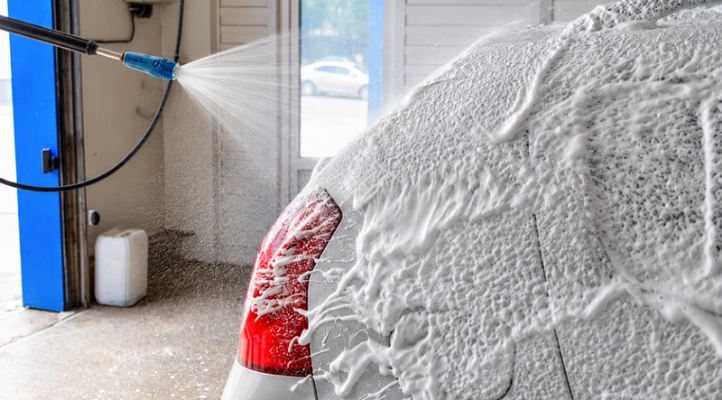
Begin with a low to moderate pressure rinse to remove loose dirt and cool the surface. Avoid immediately blasting affected areas with high pressure, as this can drag abrasive particles across the paintwork.
A gel-based product is essential for vertical surfaces and stubborn contamination. Unlike thin liquids, gels cling to the surface, allowing for extended dwell time and improved chemical action.
Apply evenly across affected areas, ensuring full coverage without oversaturation.
Let the product sit for several minutes (typically 5–15 minutes depending on severity). During this time, organic acids react with calcium carbonate.
You may notice light foaming as this indicates active dissolution. Avoid letting the product dry on the surface.
For heavy build-up, lightly agitate using a soft brush or microfiber applicator. Avoid abrasive tools that can scratch paint or glass.
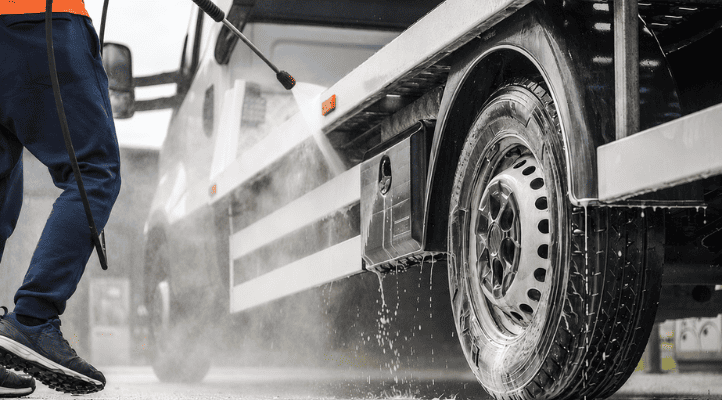
Once the contaminant has softened, rinse thoroughly using a high-pressure system (around 2,000 PSI or appropriate for your setup).
Work methodically:
Ensure all products are removed from seams, trims, and hard-to-reach areas.
Effective fleet maintenance isn’t just about removal, it’s about prevention. Implementing protective measures reduces labour, chemical use, and long-term damage.
Key strategies include:
Applying a fleet-grade wax or sealant creates a protective barrier. This prevents concrete and minerals from bonding directly to the surface, making future cleaning significantly easier.
Regular cleaning prevents contaminants from curing and hardening. Fresh deposits are far easier to remove than aged build-up.
Using filtered or softened water reduces mineral deposits, particularly in regions with high bore water usage.
Training staff in correct chemical use, dwell times, and rinsing techniques ensure consistent results and reduce risk.
Fleet operators in Western Australia face some of the toughest conditions in the country: dust, heat, and mineral-rich water all accelerate contamination.
A professional wash bay setup should prioritise:
Using the right products is critical to achieving this balance.
At Auto Shield, we supply high-performance car wash solutions built specifically for commercial fleets. Our products are engineered for Australian conditions whether you’re managing transport vehicles, construction equipment, or industrial machinery.
Our range includes:
Every formulation is designed to deliver maximum cleaning power while protecting clear coats, glass, and sensitive components.
By upgrading your wash process with Auto Shield, you can:
Concrete over-spray and mineral scale are unavoidable in many fleet environments, but damage from improper removal is not. By using targeted organic acid solutions, allowing proper dwell time, and following a structured cleaning process, you can safely restore your vehicles without compromising their finish.
For fleet managers, the focus should always be on balancing performance, safety, and long-term asset protection.
Don’t let concrete build-up and mineral scale reduce the value and performance of your vehicles. Speak with the team at Auto Shield to discuss your requirements, request product recommendations, or access technical support for your fleet.